
Ecommerce Shipping Automation with AI
Use ecommerce shipping automation to connect orders, inventory, carrier handoffs, exceptions, and shopper updates in one Runner AI workflow.
Your Ecommerce Shipping Automation, Built Around Your Store
Describe the outcome you need. Runner uses your catalog, brand, and store context to prepare reviewable Ecommerce shipping automation work, so you can approve it without moving data between tools.

Try Ecommerce shipping automation with your store context now. Publishing and automation depend on your plan.
Move Shipping From Label Task to Commerce Workflow.
Most shipping automation pages stop at carrier rates, labels, and tracking. Runner AI treats shipping as a revenue-facing workflow connected to the promise a shopper sees before and after purchase.
Validate Orders Before They Become Exceptions
Shipping automation starts with clean order context.

Coordinate Carrier and Fulfillment Handoffs
Carrier selection is only one decision. Runner AI keeps fulfillment routing, inventory location, service-level promises, packaging constraints, and backend order status aligned so shipping work does not drift away from store operations.
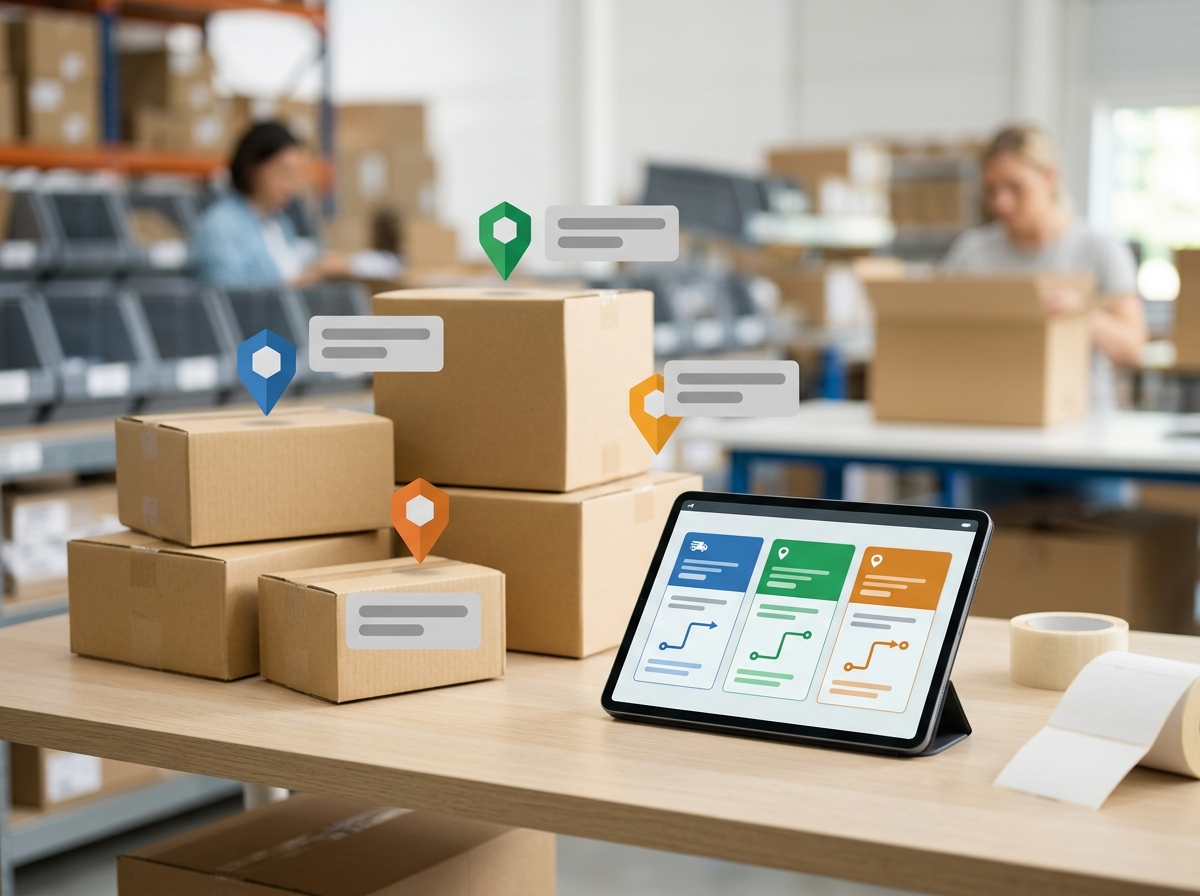
Turn Tracking Into Customer Communication
Shoppers do not care which system created the label; they care whether the promise is clear. Runner AI can shape delivery updates, delay explanations, and support-ready context from the same order signals used by operations.

Handle Exceptions Without Losing the Thread
Address issues, split shipments, damaged parcels, delayed inventory, and carrier failures need context. Runner AI keeps exceptions tied to the order, product, inventory, and customer workflow instead of burying them in a ticket queue.

A product principle for Ecommerce Shipping Automation
Keep Ecommerce shipping automation work connected to real store context, make each proposed change reviewable, and publish only what the operator approves.
— Runner AI product principle
Connect Shipping Decisions to the Order Story.
A shipping automation tool can buy labels, compare rates, and send tracking numbers. That is useful, but it is not enough for ecommerce teams trying to keep storefront promises accurate. Runner AI is built to work with that broader order story. It can connect shipping work with AI ecommerce order management, inventory context, fulfillment handoffs, and customer communication so operators see the next store-aware action rather than another disconnected carrier task. That matters during normal shipping days and during peak pressure. A preorder should not receive the same promise as an in-stock item. A high-value order may need a different review path before fulfillment. A customer waiting on a split shipment needs a clearer update than a generic tracking email. Runner AI keeps those differences visible so the shipping workflow can reflect what the store actually promised.

Make Delivery Exceptions Actionable, Not Just Visible.
Shipping visibility often arrives too late: a delayed scan, a missed pickup, a failed address, a partial shipment, or an order that cannot ship because inventory moved. Runner AI can help turn those signals into actions that fit the store workflow. A delayed parcel can trigger a customer-safe update. A stock issue can connect to inventory management and fulfillment automation. A split shipment can feed support context before the shopper asks. A repeated carrier problem can become an operational note for the team. This is the difference between tracking data and ecommerce shipping automation: the system helps decide what to do next, while staying grounded in the order and product context the store already has. The same context also protects trust. If the store knows a package is late, the customer message should avoid overpromising. If a SKU is waiting on restock, the fulfillment task should not pretend the order is ready. If a carrier exception affects only one parcel in a multi-item order, support should understand which product is affected before responding. Runner AI frames those details as operational work, not just analytics.

Product principle
The useful result is Ecommerce shipping automation work you can review, revise, and connect back to the store — not another disconnected dashboard.
— Runner AI product principle
Ecommerce Shipping Automation in Runner AI
What is ecommerce shipping automation?
Ecommerce shipping automation uses software workflows to reduce manual shipping work such as order validation, carrier handoffs, label preparation, tracking updates, and exception handling. Runner AI connects those tasks to store context so shipping decisions stay aligned with orders, inventory, fulfillment, and shopper communication.
How is Runner AI different from a carrier label tool?
Carrier tools focus on rates, labels, and tracking. Runner AI focuses on the store workflow around those tasks: order state, product context, inventory availability, fulfillment status, delivery promises, customer messaging, and the next operational action when something changes. It does not replace specialized carrier infrastructure; it gives store operators a connected layer for deciding what should happen before and after that carrier step.
Can shipping automation help with delivery exceptions?
Yes. Runner AI can help teams reason about delayed shipments, address issues, split orders, inventory holds, and customer updates as part of the same order workflow instead of treating each exception as a disconnected ticket.
Which Runner AI features connect with shipping automation?
Ecommerce shipping automation connects naturally with AI ecommerce order management, fulfillment automation, inventory management, returns management, and customer support workflows. Those features share the context needed to keep delivery promises accurate. When the same workspace understands orders, stock, fulfillment status, and shopper messaging, shipping work can be coordinated without another spreadsheet or disconnected dashboard.
Ready to Connect Shipping to the Store Workflow?
Use Runner AI to connect order context, inventory, fulfillment handoffs, delivery updates, and exception handling in one commerce workflow.
- Order-aware automation
- Fulfillment and inventory context
- Exception-ready customer updates
Build me an ecommerce shipping automation workflow that validates new orders, checks inventory and fulfillment status, prepares customer-safe delivery updates, and flags exceptions before they become support tickets.